Top Cryptocurrency Mining Rigs and Mining Rig Setup Options for Optimal Results
- James Heffernan
- Mar 16
- 4 min read

Diving into the world of cryptocurrency mining can feel like stepping into a high-tech jungle. But don’t worry! I’m here to guide you through the maze with clear, simple advice. Whether you’re just starting or looking to upgrade your setup, understanding the best mining rigs and how to set them up is key to success. So, what makes a mining rig great? How do you pick one that fits your budget and goals? Let’s break it down together.
What Makes a Mining Rig the Best Choice?
Before we jump into specific rigs, let’s ask the right questions. What do you want from your mining rig? Are you after raw power, energy efficiency, or maybe a balance of both? Mining rigs come in all shapes and sizes, but the best ones share some common traits:
High Hash Rate: This is the speed at which your rig solves complex math problems. The faster, the better.
Energy Efficiency: Mining can eat up electricity like a hungry beast. Efficient rigs save you money and reduce heat.
Reliability: You want a rig that runs smoothly 24/7 without constant babysitting.
Ease of Setup: If you’re new, a rig that’s easy to assemble and configure is a lifesaver.
For example, rigs built with powerful GPUs (graphics processing units) are popular because they offer a great balance of speed and efficiency. On the other hand, ASIC miners (Application-Specific Integrated Circuits) are like the race cars of mining - super fast but often more expensive and less flexible.
Exploring Mining Rig Setup Options
Now, let’s talk about how you can set up your mining rig for the best results. Setting up isn’t just about plugging in hardware; it’s about creating an environment where your rig can thrive.
1. Single Rig Setup
This is the simplest option. You buy one powerful rig and run it in a cool, ventilated space. It’s perfect if you’re testing the waters or have a limited budget. Make sure to:
Place your rig on a sturdy surface.
Keep it away from dust and moisture.
Use a reliable power supply with surge protection.
2. Multi-Rig Setup
If you’re ready to scale up, running multiple rigs can boost your mining power exponentially. This requires more space, better cooling solutions, and a solid network connection. Here’s what to consider:
Organize rigs neatly to avoid overheating.
Use fans or air conditioning to keep temperatures down.
Monitor each rig’s performance regularly.
3. Cloud Mining
Not a physical setup, but worth mentioning. Cloud mining lets you rent mining power from data centers. It’s hassle-free but comes with risks like scams and less control. If you want hands-on experience, stick to physical rigs.
Picking the Right Hardware for Your Mining Rig
Choosing the right hardware is like picking the right tools for a job. You want the best fit for your goals and budget. Here’s a quick rundown of key components:
GPU (Graphics Processing Unit): The heart of many mining rigs. Popular models include NVIDIA and AMD cards. Look for high hash rates and low power consumption.
ASIC Miner: Specialized for mining specific coins like Bitcoin. They offer unmatched speed but are less versatile.
Motherboard: Needs enough PCIe slots to support multiple GPUs.
Power Supply Unit (PSU): Must provide stable power and handle the rig’s total wattage.
RAM and Storage: Minimal requirements, but essential for running mining software smoothly.
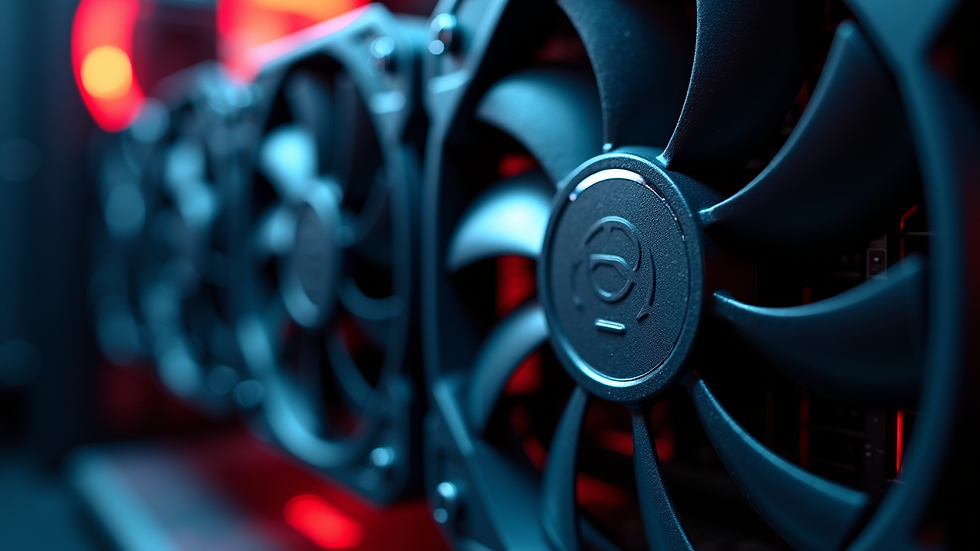
Cooling System: Fans, heat sinks, or liquid cooling to keep temperatures in check.
For example, a rig with six NVIDIA RTX 3060 GPUs can deliver solid performance for Ethereum mining, while an ASIC miner like the Antminer S19 is a powerhouse for Bitcoin.
Setting Up Your Mining Rig: Step-by-Step
Ready to build? Here’s a simple guide to get your rig up and running:
Assemble the Frame: Use a mining rig frame or build your own to hold all components.
Install the Motherboard: Secure it to the frame and connect the CPU, RAM, and storage.
Attach GPUs: Connect each GPU to the motherboard using riser cables.
Connect the PSU: Make sure all components get power.
Install Cooling: Position fans to create airflow across GPUs.
Install Mining Software: Choose software compatible with your hardware and preferred coin.
Join a Mining Pool: Pooling resources with others increases your chances of earning rewards.
Monitor Performance: Use software tools to track hash rates, temperature, and power usage.

Maximizing Profitability and Efficiency
Mining isn’t just about having the fastest rig. It’s about smart management. Here are some tips to get the most bang for your buck:
Optimize Power Settings: Lower GPU power limits to reduce electricity use without sacrificing much speed.
Keep Software Updated: Mining software updates often improve efficiency and security.
Choose the Right Coin: Some coins are easier or more profitable to mine depending on your hardware.
Regular Maintenance: Clean dust from components and check connections to avoid downtime.
Use Renewable Energy: If possible, tap into solar or wind power to cut costs and be eco-friendly.
Remember, mining is a marathon, not a sprint. Patience and smart choices pay off.
Your Next Steps in the Mining Adventure
Now that you know the essentials of top mining rigs and setup options, it’s time to take action. Whether you start small or go big, the key is to stay informed and adapt as technology evolves. Mining can be a rewarding way to engage with the crypto world, and with the right rig and setup, you’re well on your way to success.
If you want to explore more about cryptocurrency mining rigs, check out trusted resources and communities. They’re gold mines of tips and support.
Happy mining!


Comments