Essential Guide to Cryptocurrency Mining Rigs

Cryptocurrency mining can seem like a mystery at first. You might wonder, what exactly is a mining rig? How do you build one? And why should you even care? I’m here to break it down in a simple way, so you can understand the basics and get started with confidence.
Mining rigs are the machines that help create new cryptocurrency coins by solving complex math problems. Think of them as powerful computers working hard to keep the cryptocurrency network running smoothly. If you want to join the mining world, knowing how to pick or build the right rig is key.
Let’s explore what you need to know about cryptocurrency mining rigs, how to choose the right parts, and some examples of popular products that can help you get started.
What Is a Cryptocurrency Mining Rig?
A mining rig is a computer system designed specifically to mine cryptocurrencies like Bitcoin, Ethereum, or others. Unlike your regular laptop or desktop, mining rigs are built to handle heavy calculations non-stop.
Mining rigs usually have:
Powerful processors or graphics cards (GPUs)
Specialized software to mine coins
Good cooling systems to prevent overheating
Stable power supply
The goal is to solve cryptographic puzzles that verify transactions on the blockchain. When a rig solves a puzzle, it earns cryptocurrency as a reward.
How to Choose the Right Mining Rig
Choosing the right mining rig depends on several factors. Here are the main questions you should ask yourself:
What Cryptocurrency Do You Want to Mine?
Different coins require different mining setups. Bitcoin mining often uses ASIC (Application-Specific Integrated Circuit) miners, which are machines built just for Bitcoin mining. Other coins like Ethereum are mined using GPUs.
What Is Your Budget?
Mining rigs can cost anywhere from a few hundred to several thousand dollars. You want to find a balance between cost and performance. Spending more upfront can mean better returns later, but it’s important to stay within your budget.
How Much Power Can You Use?
Mining rigs consume a lot of electricity. You need to consider your electricity costs and how much power your rig will use. Efficient rigs save money in the long run.
Do You Want to Build or Buy?
You can either build your own rig by buying parts or buy a pre-built rig. Building your own can be cheaper and more customizable, but buying a ready-made rig saves time and effort.
Key Components of a Mining Rig
If you decide to build your own rig, here are the main parts you’ll need:
Graphics Processing Units (GPUs): These are the heart of most mining rigs. They do the heavy lifting for mining.
Motherboard: Connects all the parts together.
Power Supply Unit (PSU): Provides power to the rig. It needs to be strong enough to handle all components.
RAM: Memory for the system, usually 4-8 GB is enough.
Storage: A small SSD or hard drive to run the operating system and mining software.
Cooling System: Fans or liquid cooling to keep the rig from overheating.
Frame: A structure to hold all the parts together.
Examples of Mining Rigs and Services
To give you a clearer picture, let’s look at some real products that can help you start mining.
ASIC Miner: Antminer S19 Pro
The Antminer S19 Pro is a popular ASIC miner designed for Bitcoin mining. It offers high hash rates, meaning it can solve puzzles faster than many other machines. It’s energy efficient compared to older models, which helps reduce electricity costs.
You can learn more about it here.
GPU Mining Rig Kit: CryptoMiner Pro Kit
If you prefer GPU mining, the CryptoMiner Pro Kit comes with everything you need to build a rig. It includes high-performance GPUs, a sturdy frame, and a reliable power supply. This kit is great for mining coins like Ethereum.
Check out the details here.
Cloud Mining Service: MineCloud
Not ready to buy hardware? MineCloud offers cloud mining services where you rent mining power from their data centers. This way, you can start mining without dealing with hardware or electricity costs.
Find out more at MineCloud.

Close-up view of a cryptocurrency mining rig with multiple GPUs
Setting Up Your Mining Rig
Once you have your rig or kit, setting it up is the next step. Here’s a simple guide:
Assemble the hardware: Connect GPUs, motherboard, PSU, RAM, and storage.
Install mining software: Choose software compatible with your hardware and coin.
Join a mining pool: Mining pools combine the power of many miners to increase chances of earning rewards.
Configure settings: Enter your wallet address and pool details.
Start mining: Monitor your rig’s performance and temperature.
Tips to Improve Mining Efficiency
Mining can be costly if you don’t manage it well. Here are some tips to keep your rig running smoothly and save money:
Keep your rig cool: Overheating can damage parts and reduce performance.
Use energy-efficient hardware: Look for rigs with good hash rate per watt.
Regular maintenance: Clean dust and check connections often.
Monitor electricity costs: Use timers or smart plugs to control when your rig runs.
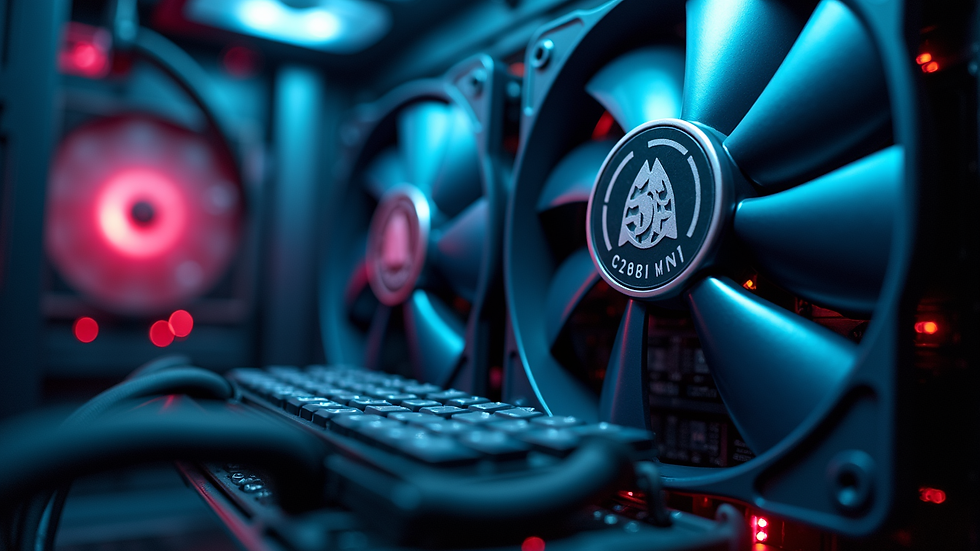
Eye-level view of a mining rig setup with cooling fans and LED lights
Common Challenges and How to Solve Them
Mining isn’t always easy. You might face some problems along the way:
Hardware failures: Parts can break or wear out. Keep spare parts handy.
Software glitches: Mining software can crash or freeze. Keep your software updated.
High electricity bills: Use energy-efficient rigs and consider mining during off-peak hours.
Noise and heat: Mining rigs can be loud and hot. Place them in a ventilated area.
How to Know If Mining Is Worth It
Mining profitability depends on many factors:
Cryptocurrency prices: Higher prices mean better rewards.
Mining difficulty: More miners make it harder to earn coins.
Electricity costs: High power bills can eat into profits.
Hardware efficiency: Better rigs use less power for more mining power.
Use online calculators to estimate your potential earnings before investing.
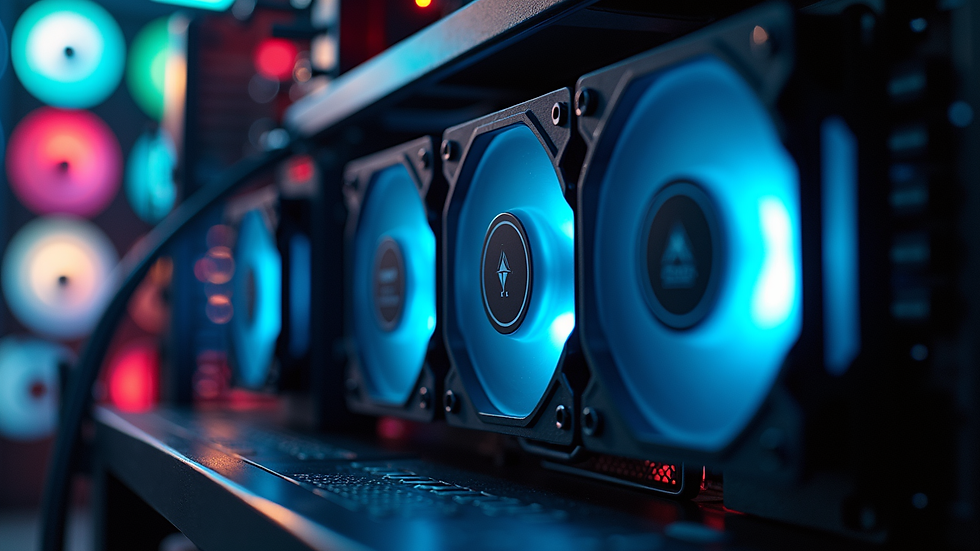
High angle view of a mining rig with multiple GPUs and cooling fans
Mining can be a rewarding way to earn cryptocurrency, but it takes some work to get started. By asking the right questions and choosing the right equipment, you can build a setup that fits your goals and budget.
If you want to explore more about mining hardware, check out the Antminer S19 Pro for Bitcoin mining or the CryptoMiner Pro Kit for GPU mining. For a hassle-free start, consider cloud mining with MineCloud.
Ready to dive in? Start small, learn as you go, and watch your mining journey grow. Remember, the right rig is your first step to joining the exciting world of cryptocurrency.
Disclaimer: This post is for informational purposes only and does not constitute financial advice. Mining profitability varies and depends on many factors.


Comments